This week’s topic is on the training the general population. Training members of the general population comes with big challenges but can yield great rewards. But before we delve into this week’s gold, I have to say I am extremely overwhelmed with the response to the first blog (you can find it here) and to the launch of the website. To all of you who shared the link on your own social media and sent well wishes and kind words I really, really appreciate it! I thought I’d be doing well if I got 50-60 views, at time of writing, the blog has had over 230 views which I still can’t believe! So a massive thank you.
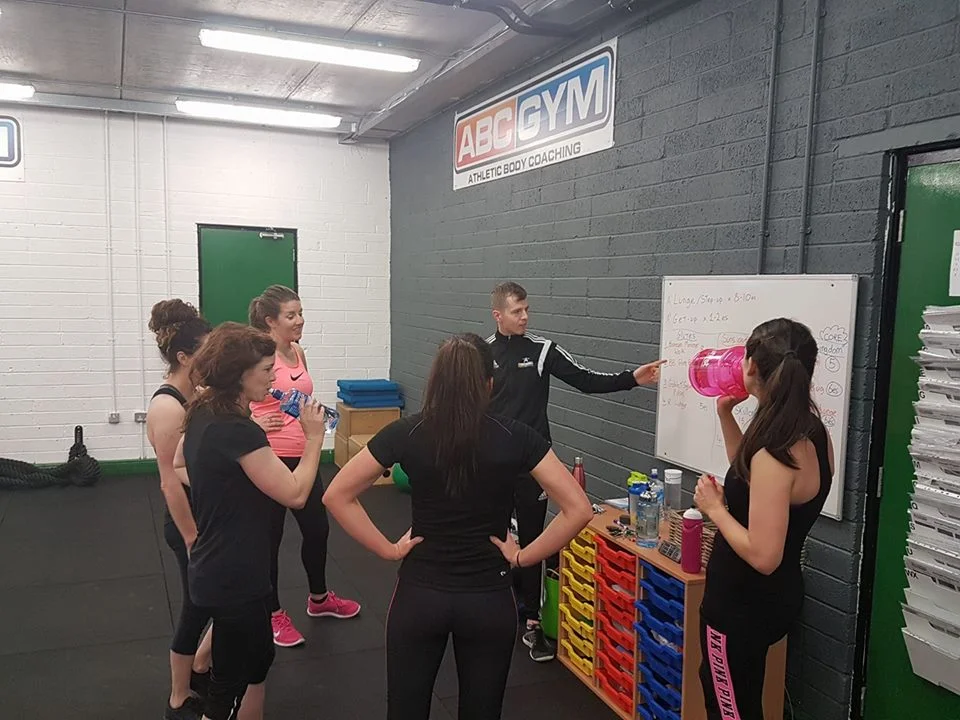
“Methods are many, principles are few. Methods may change, principles rarely do.” The first time I heard those words I was in 3rd year in college sitting in a lecture being given by Dr. Liam Hennessy. I’ve heard Liam speak those words many times since but every time it still makes you think. If you don’t know Dr. Liam, I’ll give more info in a future blog but today we’re talking about how the principals of training are exactly the same for the general population and the World’s most elite athletes. What does differ is the methods. In ABC, the gym I currently work in, we specialise in training general population from all walks of life. It doesn’t matter if you had a sporting background or not or even if you’ve ever been in a gym before. Over the years we’ve had many revelations about training and programming and today I’ll discuss the challenges we face and some of the goals we try hit on a daily, weekly and monthly basis.
There are a number of principles of training in strength and conditioning and I won’t bore you with the details by turning this into a lecture presentation but the principles are there. If we take a member of the general population, a 45-year-old father who used to play G.A.A., has a bad back and sits all day at a desk vs CJ Stander, one of Ireland’s best Rugby players at the moment. I’m going to train the 45-year-old a lot different than I’d train CJ, that’s a given. But in some way or another I will apply the exact same principles to both programmes. The important point to note here is that training programmes need to be set off goals and scientific principles, how you achieve those goals then varies depending on the population being trained.
There are a number of things we aim to include in our programmes. The biggest thing for us is to improve overall movement quality. In today’s workplace many jobs require you to sit down for long periods of time and often involve a long commute as well. We are sitting more than we ever have and this has caused a generation of lower back pain, tight hips and general stiffness to the point where a term was coined to describe it, the very cleverly named ‘sitting disease’.
Training general population members you often see people with the symptoms listed above, therefor we need to address those issues before we tackle any sort of lifting. This is often done through well designed and thought out warm up routines aimed at getting as much movement back into certain joints like the hip and shoulder as possible to release years of sitting and typing at the computer. Obviously, like all other results, this doesn’t happen in one session but over time you can gain back so much of your mobility and it can really show up in daily life making simple tasks like reaching in to the press a lot easier. Now, I don’t have kids, but a lot of people I train do and they have said the joy they are getting out being able to play with their kids again is worth every moment of training. Mobility alone isn’t going to change your life and it’s not all we chase when training gen pop. What we really want to develop is improved strength levels and cardiovascular ability.
What most people train for is improved health, that might be physical health such as reducing blood pressure or fat levels but it can also be for mental health benefits, wanting to look better and feel more comfortable in your own skin. In an age of photo shopped Instagram and magazine pictures being comfortable with yourself is can go a long way in maintaining a good mental health. Hitting certain milestones along the way like having your doctor reduce the amount of medication you need to take or fitting into some jeans you haven’t been able to button up for 5 years can also really, really, REALLY improve your mental health. And this is the side of things I know for a fact a tonne of trainers and coaches don’t really think about, this is the missing piece to the puzzle in a lot of cases.
So while there are many challenges to training general population (sometimes you really do want to pull your hair out!!) it is probably one of the most rewarding things you can do as a coach. And if you let it, coaching gen pop will make you become one hell of a coach! When I sat down to write this blog I had no idea where I was going with it, I’ve deleted it and rewritten it about 5 times at this stage because it just sounded like a sales pitch. It really got me thinking about WHY I train gen pop and the hidden benefits they gain from a well-structured programme and excellent training culture.
Please feel free to share this with your friends, comment below your thoughts and check out my social media where I do more regular content posts by hitting the social symbols at the bottom of the home screen. Thank you for taking the time to read this post,
Rory.