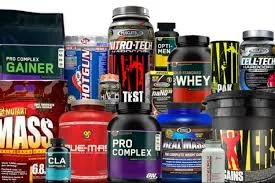
While writing last week’s blog I was in my favorite coffee shop in Lucan village, Coffee Works, enjoying a flat white as I often do when I overheard the table beside me talking about whey protein and creatine supplements, I’ll admit I got a bit angry with what they were saying but I said nothing. As the day went on I kept thinking about it and I thought ‘Why do they have this idea of what these supplements do?’. They seemed to be under the impression that Whey damaged the heart and creatine was a stimulant and steroid that had the same effect as drink 3-4 red bulls. My guess is via mainstream media and social networks and poor information sources. Whey protein and creatine, as we will go on to discuss, are fantastic supplements. But they are supplements. Everyone should try their best to get whole food and natural sources of nutrients into their diet before turning to supplementation.
First and foremost, whey and creatine are NOT steroids or illegal drugs. Creatine in particular has a pretty bad reputation amongst society and I honestly think people just don’t know what it is. Maybe in the past all they knew was it was taken by gym goers and figured it was a steroid. I actually heard a story recently of a medical doctor telling someone to avoid it as it was dangerous. This week’s blog is going to look at what these two popular supplements are, where they come from and how to use them effectively.
Creatine:
Creatine is perhaps one of the most researched supplements on the market, probably due to the amount of fear there is about it. But what is it? Did you know this compound is naturally produced by the body just like testosterone, estrogen and insulin? It stores high energy molecules in the cells. These molecules release their energy during cellular stress (work). This results in strength increases during supplementation. These are not the only benefits of creatine supplementation but they are probably the most well-known. What many people don’t know is the benefits of creatine during aging. There has been research to suggest that creatine supplementation can aid brain and cognitive function and help fight against memory loss. Other research indicates bone and liver benefits as well.
Some users have reported bloating when using creatine monohydrate supplements, including myself. I first tried using a MyProtein branded creatine but had large discomfort from it. This can occur along with stomach cramping from poor hydration levels. I then tried a Bulk Powders branded creatine supplement and for me, that has worked much better, 10 months later and I’ve still had no issues with it. One other point is that if taken within an hour before bed it can cause a restless sleep. This however is more anecdotal rather than proven fact but I can confirm I found this true.
How can you use creatine? A loading period of 5-7 days is recommended to build the supplement up in the body. 20-25g per day should be sufficient for a loading protocol. After that, users can take anywhere from 2.5-5g a day.
Whey Protein:
Whey is an extremely handy way of increasing overall daily protein intake. It comes in a powder form and is usually taken with water or milk. My favorite way of taking it is mixing it with some Greek yogurt! Again, sometimes it gets a bad rep, like I happened to overhear in the coffee shop. Not many people know what whey is or where it comes from, I think the general perception is that it’s fully artificial and manufactured. For years’ whey was simply tossed aside and thrown out. It is a byproduct from making cheese. When making cheese an acid is added to the milk and that forms the curds. There is also a cloudy liquid left behind, that liquid is whey. Obviously it goes through some manufacturing to get it from it’s liquid form to a powder, flavor is also added because its unflavored form is quite bitter and not nice.
There are many benefits to whey over other forms of protein supplementation. Whey protein has quite a full amino acid profile vs the likes of pea protein or soy. This means it can stimulate muscle protein synthesis at a higher rate than these other forms of protein. Basically, it signals to the brain to create muscle faster and longer than the others do while providing better building blocks in the process. It is a more complete source vs the other types. It is rumored that whey protein increases fat loss and there are even different types of whey on the market labeled ‘diet’ whey and things like that. These rumors are false to a certain extent however. Yes, protein can help someone trying to cut fat but it’s the protein that is the key, not the whey. Any form of protein can help. Why it works is for another blog dedicated to fat loss, keep an eye out for it in the coming weeks.
Whey protein does not damage the kidneys or liver, again a common myth. However, there is some research to say it can intensify pre-existing damage to the organs. People with pre-existing damage or those who might think they have damage to those organs may want to consult their doctor before increasing their daily protein intake. Remember from the Nutrition 101 blog, daily protein intake should be 1.8-2gPRO per KG of bodyweight.
Do I recommend the use of both of these supplements? 100%! Creatine has no evidence to make me question it’s benefits twice, furthermore, I’ve found those benefits true for myself. I think the benefits that are not performance based are also quite interesting and in that case most people 50+ should be supplementing with creatine for bone and brain health. Whey is convenient, safe and a good protein source. It’s not easy to get all your protein needs via food and it’s also not cheap. Whey is just such an easy way to get my protein intake to where it needs to be. Like creatine, there is no reason not to take it.
For more research and info on both of these supplements and others visit Examine.com. The team do a great job at summarizing all current research about a certain supplement or nutrition topic and lay it out in an easy way for the reader, great website for all things supplements and nutrition related. It also has the added benefit of being independent so there is no bias from companies towards certain products.
That’s enough for this week, a lot more science based than some of the last few blogs but one I feel that needs to be out in the public. The more education we can get out about these fantastic supplements the better. People need to understand what they are, where they come from and their benefits. As usual, if you feel there’s a friend out there who could benefit from the info you learned in this week’s installment I’d really appreciate if you could send it on to them or share it via your social media. If there is anything you want me to talk about, please reach out and if you have any questions about topics already brought up I’m always available for a talk. Thank you for continually supporting me and this blog.
Rory.