If you think you can go train like a demon in the gym or on the pitch and pair it with some road running or whatever you like to do, and do that consistently without any recovery work well to me that’s a recipe for disaster. Recovery is just as important as the actual training, adequate recovery can enhance your training while sub-optimal recovery can hinder your next performance and take away from your last. Recovery modalities are not just for the elite level athletes and professional sports star but they should be for everyone who trains. In this week’s blog we’re going to discuss what recovery is along with some different modalities you can easily incorporate to your daily routine to maximize your training effect.
What is recovery?
Basically, recovery is the steps you take to bounce back from the negative effect of training or playing a match. After training we often experience muscle pain which is referred to as DOMS (delayed onset muscle soreness). There are many other physiological anomalies happening in the body as well as this soreness. The human body absolutely HATES being put under stress and would much rather having balanced levels. Therefor recovery is the body trying to get back to normal after the stress. You can help speed up this process, or slow it down, by the choices you make post exercise.
Like everything, the level at which you need to recover depends on your current levels and upcoming goals. Professional and elite athletes will probably put more time into their recovery than the average gym goer because they need to. They need to find that 1% to try up their opponent. However, most of us just want to relieve the soreness and help return our energy levels so we can go again. There are a few simple things you can do that include nutrition and hydration, activity and sleep.
Nutrition and Hydration

The way we refuel our body can have such a positive impact on how fast we recover from a bout of exercise. The body is in a catabolic state and is craving both macro and micro nutrients to help bring it back to homeostasis (base levels). We can either refuel well or refuel poorly.
For me, one of the most important things to do here is re-hydrate. It’s important to replace everything that’s lost through sweating while exercising. A simple formula you can use is to weigh yourself before and after and consume 1.5L fluid for every KG lost while training. Water is probably the best choice for the most part but some of that fluid may want to be made up from a protein and carbohydrate based drink. A protein shake made with milk ticks that box for me and will do for the majority of you who are probably reading this blog.
The next side of this is the nutrition and refueling part through food. A good meal that consists of a high quality protein source, plenty of colorful veg and some carbohydrates is ideal for optimal recovery. Remember, the amounts of each depend on you, your current goals and what you’ve already had or plan to have that day.
Recovery through Activity.

So you’ve got your nutrition and hydration recovery sorted and you’re wondering what else can I do to ease the DOMS? Well, active recovery is one of the best ways to ease that stiffness you’re probably feeling at this moment. Anything from a walk to jog, swimming to cycling can fall under the bracket of active recovery. For me, I recommend this form of recovery to anyone who is taking up the gym for the first time in a long time or ever! It’s important to keep the body moving or the stiffness could get worse 2 days post-exercise. Plus, the more general movement and activity we can get the better our overall lifestyle and health should be.
NEAT is another form of this active recovery. NEAT stands for Non-Exercise Activity Thermogenesis. In layman’s terms, this means it’s the energy we use on a daily basis from doing everything except exercise. This has been popularized by the widespread rule of trying to hit 10,000 steps a day.
The final form of active recovery I recommend is through stretching and mobility work. This is so simple. Stretch the muscle groups that are sore and stiff. If you don’t know how to stretch that certain muscle, ask your trainer to show you.
Sleep
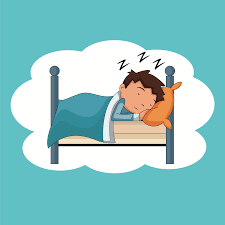
The final mode of recovery I want to discuss is probably one of the most underrated and forgotten about modes… SLEEP!!! The benefits of a full night’s sleep are huge, from aiding in fat loss and improving brain function to muscle growth and even the performance of the body’s immune system, sleep plays a role in all our body does. I will in future do a full blog on sleep, what the research says and how to create a better sleep routine but in the meantime, I suggest these few tips.
1) No screens 30 minutes before bed.
2) Make the room as dark as possible.
3) Try going to sleep at the same time every night. It works for kids and adults alike.
Developing a good nightly routine is key to improving how well you sleep. It takes a bit of planning and discipline but can have huge upside.
There we go, blog number 10 is in the books! I know there’s a lot of info in this week’s blog and there’s a lot that could be implemented but my best advice is if you are wanting to change your recovery routine try to change just one thing I discuss above. Try making that one thing an absolute ritual and a habit, then when you’ve nailed that try do another. As always guys, please reach out if you need to know more or have any questions. I’m so thankful to those of you who read every week and you have helped me grow the following. If you have 10 seconds in your day to share this with someone please do! Let’s grow this blog together!! If there’s something you want me to cover, hit me up!
Have a great week guys.
Rory.